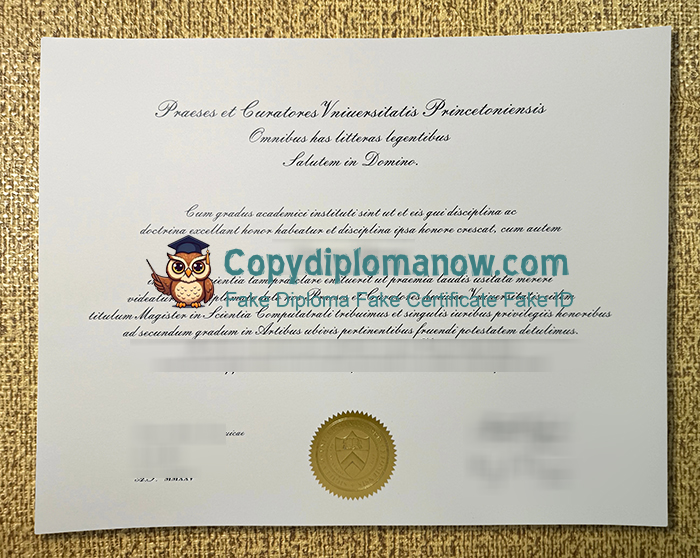
Buy a Princeton University Diploma in one minute, Buy USA Diploma Certificate, Princeton is a world-class teaching and research university with a profound and distinctive commitment to undergraduate education and service. Through its commitment to ensuring all students can graduate with little or no debt, all students who are accepted can rely on Princeton’s financial aid program to meet their financial need so they can attend and thrive at the University. More than ever, Princeton seeks to enroll the most talented students from a broad spectrum of cultural, ethnic and economic backgrounds. Students’ experiences inside and outside the classroom prepare them for service, leadership and lifelong learning. Princeton emphasizes creativity, innovation and collaboration with a program of liberal arts in the humanities, arts, social sciences, natural sciences and engineering. Princeton’s low student-to-faculty ratio means students are able to develop close working relationships with professors, who are leaders in their fields. We expect every faculty member to teach, and we expect every student to do original, creative research. Our approximately 5,300 undergraduate students are part of a vibrant campus community, and students stay connected to a Princeton community that spans the globe long after they have graduated. Get City College of San Francisco Diploma.

Is an Advanced Degree Worth the Work Required?
It’s important to ask yourself: Is it worth it to pursue a master’s degree? In addition to job security, master’s degrees offer other benefits. You become more qualified for certain kinds of jobs, increasing your job security, especially during recessions. A Master’s degree can also get you a better salary than a Bachelor’s degree alone.
Earning a master’s degree is a major investment in your future. It requires significant amounts of work and research, and most universities require that applicants hold a master’s degree before applying for a PhD. However, if you’re not planning on pursuing a PhD, it might not be worth the effort. And if you’re not sure if you’re up for it, consider what barriers may be present in your chosen field.
After you’ve decided that a master’s degree is right for you, identify a career that you’d like to pursue. You can ask current workers what master’s degree programs they’ve taken. If you’re unsure, you can use your network to find opportunities. You can also contact the alumni career center of your undergraduate school. In some professions, there are workers who are willing to mentor others.
Despite its benefits, a master’s degree can be expensive. The median net tuition for master’s programs costs $11,000. Depending on the field of study, some can cost as much as $29,000. Public universities typically have net tuition prices based on prices for state residents. While these figures include the cost of tuition and other required fees, they do not include living expenses.