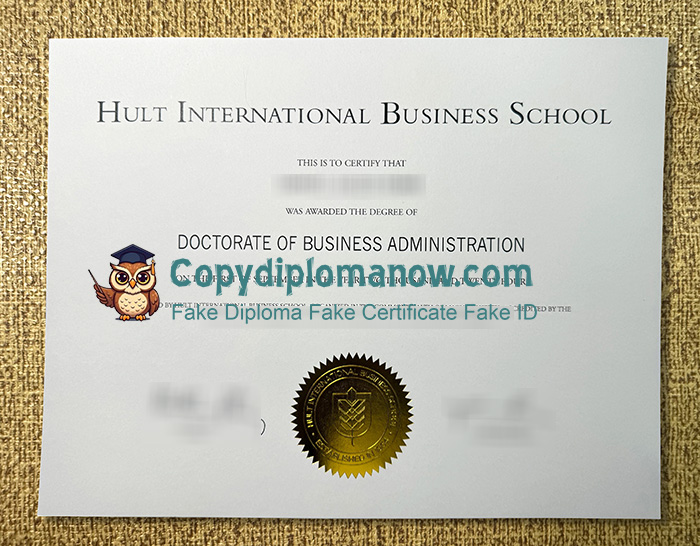
How long to obtain Hult International Business School Diploma, Get Doctor of Business Administration Degree, Known as “The Global Business School”, Hult traces its origins to both the Ashbridge Business School founded in Hertfordshire, UK in 1959 and the Arthur D. Little School of Management founded in Cambridge, Massachusetts in 1964. The key period of the school’s international history started in 2002, when Swedish billionaire and education advocate Bertil Hult bought the Arthur D. Little School and established a global business-facing curriculum. Hult’s global campuses followed in London (2007) Dubai (2008), San Francisco (2010), and Shanghai (2011). In 2014, Hult International Business School acquired and merged with Ashridge Business School, creating one of the largest business schools in the world.
The campuses break down into specific roles with three undergraduate and postgraduate campuses (London, San Francisco, and Boston), four postgraduate campuses (Dubai, Shanghai, New York City), and one executive education campus (the Ashridge Estate in Hertfordshire, UK). Hult’s 3,000 students are spread across the following courses: a global MBA, across one or more campuses; flexible Executive MBA with electives across various campuses and online options; master’s options in international business; international marketing; finance; business analytics and disruptive innovation; and the undergraduate BBA programme and Ashridge’s Executive Eductation programme. Order Spelman College Diploma.

Factors Influencing The Decision To Acquire A Degree
Societal Pressure And Expectations
In many societies, there is a prevailing expectation for individuals to obtain a college or university degree as a marker of success and social status. However, not everyone has the means or opportunity to fulfill these expectations through legitimate means. Fake degrees allow individuals to conform to societal norms and expectations without undergoing the traditional educational route.
Economic Factors
The rising cost of education has made obtaining a legitimate degree increasingly prohibitive for many individuals, particularly those from disadvantaged backgrounds. These types of degrees provide a more affordable alternative, allowing individuals to acquire the credentials they need to pursue their career goals without incurring significant financial burdens.
Lack Of Access To Education
In some parts of the world, access to quality education remains limited, leaving many individuals without the opportunity to obtain a legitimate degree. Fake degrees offer a lifeline for these individuals, enabling them to level the playing field and compete on equal footing with their more privileged counterparts.